


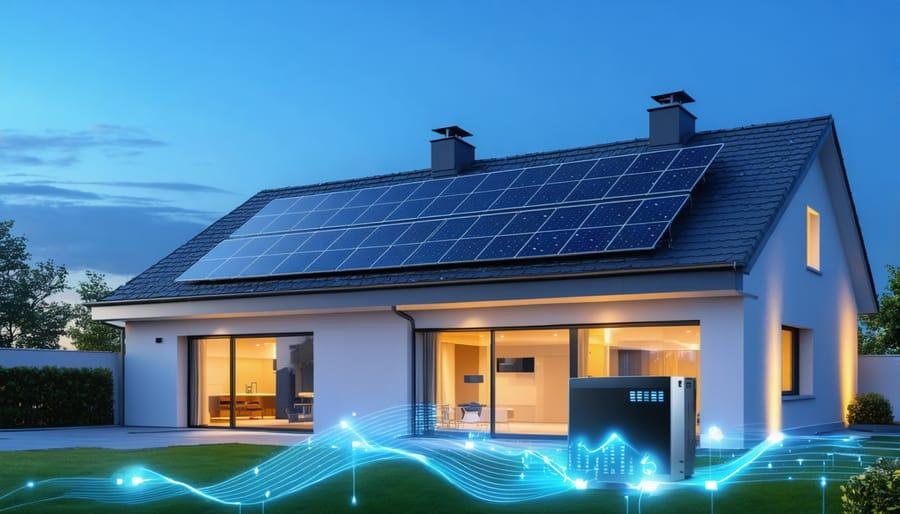
Residential Solar: The Complete Homeowner’s Guide to Clean and Affordable Energy
Residential solar refers to a solar energy system installed on homes to convert sunlight into electricity. These systems typically consist of solar panels, an inverter, mounting structures, and sometimes battery storage systems.
The electricity generated can be used to power household appliances, lighting, air conditioning, and electronic devices. Any excess electricity produced may be sent back to the power grid through net metering, allowing homeowners to receive credits for surplus energy.
Residential solar systems are available in various sizes and configurations depending on energy consumption, roof space, and budget.
How Does a Residential Solar System Work?
A residential solar system operates through a simple process:
1. Solar Panels Capture Sunlight
Photovoltaic (PV) cells inside solar panels absorb sunlight and convert it into direct current (DC) electricity.
2. Inverter Converts DC to AC Power
Since most household appliances operate on alternating current (AC), the inverter converts the DC electricity into usable AC power.
3. Electricity Powers Your Home
The generated electricity is supplied to your home and used by appliances and devices.
4. Excess Energy Is Sent to the Grid
If your solar panels produce more electricity than you consume, the excess power can be fed back into the utility grid through net metering.
5. Battery Storage (Optional)
Solar batteries store excess electricity for use during nighttime or power outages.
Benefits of Residential Solar
Lower Electricity Bills
One of the biggest advantages of installing solar panels is reduced electricity costs. Homeowners can significantly decrease their monthly utility expenses and achieve long-term savings.
Long-Term Financial Savings
Although the initial installation cost may seem substantial, solar systems generally provide savings over their 25 to 30-year lifespan.
Environmentally Friendly
Solar energy is a clean and renewable energy source that reduces greenhouse gas emissions and decreases reliance on fossil fuels.
Increased Property Value
Homes equipped with solar systems often attract more buyers and command higher market values.
Energy Independence
Solar panels help homeowners become less dependent on electricity providers and protect against rising energy prices.
Government Incentives
Various subsidies, tax benefits, and incentive programs make solar installation more affordable.
Components of a Residential Solar System
Solar Panels
Solar panels are responsible for converting sunlight into electricity. Common types include:
Monocrystalline Panels
High efficiency
Longer lifespan
Space-saving design
Premium pricing
Polycrystalline Panels
More affordable
Good performance
Suitable for larger roof areas
Thin-Film Panels
Lightweight
Flexible applications
Lower efficiency
Solar Inverter
The inverter converts DC power into AC electricity. Common types include:
String Inverter
Most widely used and cost-effective.
Microinverter
Installed on each panel for improved efficiency and monitoring.
Hybrid Inverter
Compatible with battery storage systems.
Battery Storage
Solar batteries store unused electricity for later use.
Benefits include:
Backup during outages
Increased energy independence
Better utilization of solar energy
Mounting Structure
The mounting system secures solar panels on rooftops or ground installations while ensuring optimal exposure to sunlight.
Types of Residential Solar Systems
Grid-Tied Solar Systems
Grid-connected systems remain linked to the utility network.
Advantages
Lower installation costs
Net metering benefits
No need for batteries
Best For
Urban homes with stable electricity supply.
Off-Grid Solar Systems
Off-grid systems operate independently from the utility grid.
Advantages
Complete energy independence
Suitable for remote locations
Disadvantages
Higher costs
Battery dependency
Hybrid Solar Systems
Hybrid systems combine grid connectivity with battery storage.
Benefits
Backup power during outages
Greater energy savings
Increased flexibility
Residential Solar Installation Process
Site Assessment
Professional installers evaluate:
Roof condition
Available space
Sunlight exposure
Energy consumption patterns
System Design
Engineers design a customized system based on:
Daily energy requirements
Budget
Roof orientation
Local weather conditions
Permits and Approvals
Necessary approvals are obtained from utility companies and local authorities.
Installation
The installation process generally includes:
Mounting structure installation.
Solar panel placement.
Inverter connection.
Electrical wiring.
System testing.
Most residential systems are installed within one to three days.
Inspection and Activation
After inspection and approval, the system becomes operational and starts generating electricity immediately.
Advanced battery storage.
Integration with electric vehicles.
Solar roof tiles and building-integrated photovoltaics.
As technology evolves and costs continue to decrease, residential solar adoption is expected to grow significantly worldwide.
Conclusion
Residential solar systems provide homeowners with a reliable, sustainable, and cost-effective way to generate electricity. From lowering energy bills and increasing property value to reducing environmental impact, solar energy offers long-term advantages that make it a worthwhile investment.
Whether you are looking for energy independence, financial savings, or a greener lifestyle, residential solar can transform your home into a clean energy powerhouse. By understanding system components, installation processes, maintenance requirements, and available options, homeowners can make informed decisions and enjoy decades of renewable energy benefits.